
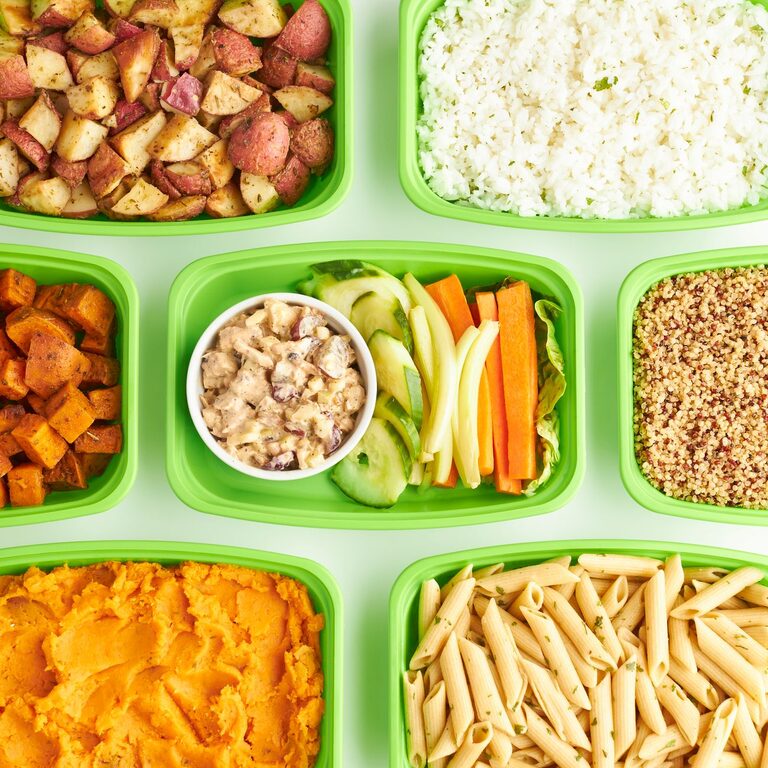
Planning balanced meals does not have to mean following a strict schedule, counting every ingredient, or cooking completely different dishes each day. A simple plan can help you make satisfying choices, save time, and feel more prepared when life gets busy.
The goal is not perfection. It is to create meals that include a useful mix of foods while leaving room for personal preferences, convenience, and the occasional change of plans.
Start with a simple meal formula
A balanced meal usually includes several types of food that work well together:
– Vegetables or fruit: These add color, flavor, texture, and variety.
– Protein foods: Examples include beans, eggs, fish, poultry, tofu, yogurt, nuts, and seeds.
– Grains or other carbohydrate foods: Rice, oats, potatoes, pasta, bread, and whole-grain products can provide energy and make meals more satisfying.
– A source of fat: Avocado, olive oil, nuts, seeds, cheese, and dressings can add flavor and texture.
You do not need to measure each part precisely. Instead, use the formula as a flexible guide. For example, a bowl might include roasted vegetables, beans, rice, and a simple dressing. A sandwich could contain vegetables, turkey or hummus, whole-grain bread, and fruit on the side.
This approach is easier to maintain than trying to create a “perfect” meal every time.
Plan around your real schedule
Before choosing recipes, look at the week ahead. Consider work hours, school activities, appointments, travel, and evenings when you will have less time to cook.
Ask yourself:
– Which nights allow time for cooking?
– Which meals need to be ready quickly?
– Will anyone be eating away from home?
– Can one meal create leftovers for another day?
– Which ingredients are already in the kitchen?
Plan more involved meals for days when you have extra time. On busy days, choose simple options such as eggs with toast and fruit, a grain bowl, soup with a sandwich, or a prepared salad with added protein.
A useful plan does not need to cover every meal in detail. You might plan dinners and keep flexible choices available for breakfast and lunch.
Choose a few dependable meal ideas
Having a list of reliable meals reduces decision-making. Choose recipes that use familiar ingredients and can be adjusted easily.
Try creating categories such as:
Quick meals
– Vegetable omelets with toast
– Tacos with beans, chicken, or fish
– Pasta with vegetables and a simple sauce
– Rice bowls with leftover vegetables and protein
– Hummus wraps with greens and fruit
Make-ahead meals
– Chili with beans and vegetables
– Grain salads
– Roasted vegetables with cooked grains
– Soup or stew
– Baked chicken, tofu, or fish for several meals
No-cook or low-prep meals
– Yogurt with fruit, oats, and nuts
– Whole-grain crackers with cheese and sliced vegetables
– Tuna or bean salad on toast
– Store-bought roasted chicken with salad and microwavable grains
– Smoothies paired with toast or a boiled egg
Keep the list somewhere easy to find. Over time, it can become a personal menu of meals you already know how to prepare.
Use ingredients in more than one way
One of the easiest ways to simplify meal planning is to prepare ingredients that can be used several times.
For example, cook a batch of rice, roast a tray of vegetables, and prepare a protein such as beans, chicken, tofu, or eggs. These ingredients can become bowls, wraps, salads, or side dishes throughout the week.
You can also choose ingredients with multiple uses:
– Spinach can go into salads, pasta, eggs, or smoothies.
– Shredded carrots can be added to wraps, soups, and grain bowls.
– Cooked chicken can become tacos, sandwiches, or a salad topping.
– Canned beans can be used in soups, salads, dips, and tacos.
– Fresh herbs can brighten several meals with little effort.
Using ingredients more than once saves time and can reduce food waste without making every meal taste the same.
Keep a flexible grocery list
A short, organized grocery list makes shopping easier. Group items by section, such as produce, proteins, grains, dairy or alternatives, and pantry foods.
Include a mix of fresh, frozen, canned, and shelf-stable ingredients. Frozen vegetables and canned beans can be especially useful when fresh options are unavailable or when you need a quick meal.
Before shopping, check what you already have. This helps prevent duplicate purchases and encourages you to use foods before they are forgotten.
It can also help to choose a few backup ingredients for busy days:
– Frozen vegetables
– Canned beans or fish
– Eggs
– Whole-grain bread or tortillas
– Quick-cooking grains
– Yogurt
– Jarred pasta sauce
– Prewashed greens
These foods can turn into a meal with very little preparation.
Make preparation easier
Meal preparation does not have to mean spending an entire day in the kitchen. Even 20 to 30 minutes can help.
Try one or two small tasks:
– Wash and cut vegetables.
– Cook a pot of rice, pasta, or another grain.
– Prepare a simple dressing or sauce.
– Portion snacks into containers.
– Boil eggs for quick meals.
– Move frozen foods to the refrigerator to thaw safely.
– Write down two or three meal ideas for the week.
If cooking feels tiring, use shortcuts without guilt. Precut vegetables, canned foods, frozen grains, and ready-to-eat options can all be part of a balanced routine.
Build variety without overcomplicating things
Variety can come from changing flavors rather than buying completely different ingredients. Use different seasonings, sauces, and cooking methods to keep familiar foods interesting.
For example, the same cooked vegetables can be seasoned with Italian herbs one day, added to a curry-inspired dish another day, and served with a lemon dressing later in the week.
You can also vary the main components:
– Replace rice with potatoes, pasta, bread, or another grain.
– Try beans, eggs, poultry, fish, tofu, or yogurt as protein options.
– Mix raw and cooked vegetables.
– Use fresh, frozen, and canned produce throughout the week.
Small changes can make meals feel more varied while keeping shopping and preparation manageable.
Leave room for flexibility
Unexpected events are part of normal life. A balanced meal plan should be easy to adjust when plans change.
If you miss a planned dinner, move it to another day. If leftovers are not appealing, combine them with a new side or sauce. If you are short on time, make a simpler meal instead of abandoning the plan entirely.
You can also use a “flex meal” once or twice a week. This might be leftovers, takeout, a frozen meal with added vegetables, or a casual meal made from whatever is available.
Flexibility helps prevent meal planning from becoming another source of pressure.
Focus on progress, not perfection
Some meals will be more balanced than others, and that is normal. Look at your overall pattern rather than judging a single meal.
If a meal is missing one component, you can often add something simple later. A piece of fruit, a yogurt, a handful of nuts, or a side of vegetables may complete the meal without extra cooking.
The best meal plan is one you can use consistently. Keep it simple, repeat favorite meals, use convenient ingredients, and adjust the plan to fit your schedule. With a few dependable habits, balanced meals can become a practical part of everyday life rather than a stressful task.