
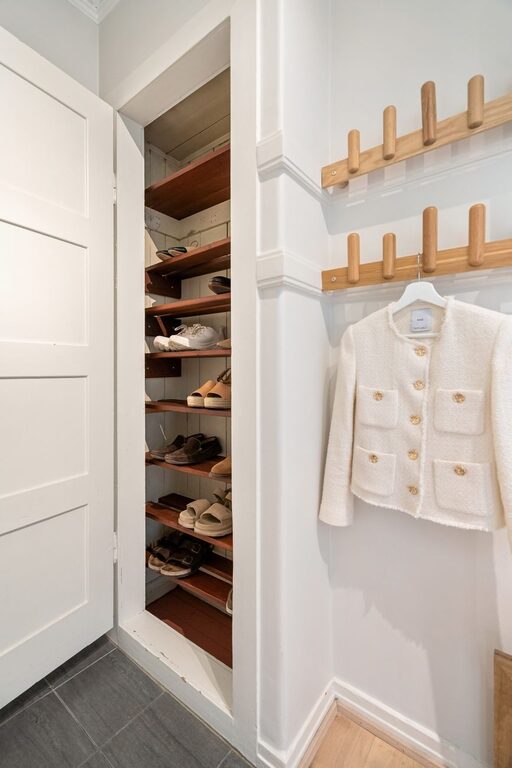
Small rooms can feel crowded quickly, but limited space does not mean limited options. The key is to use every area thoughtfully, including walls, corners, doors, and the space beneath furniture. With the right storage ideas, you can keep everyday items accessible while making your home feel calmer and more open.
The best solutions are practical, easy to maintain, and suited to the way you live. Instead of adding more containers everywhere, focus on choosing storage that uses unused space and gives each item a clear home.
Start by Clearing the Clutter
Before buying storage products, take a close look at what you already own. Storage works best when it supports the items you use regularly, rather than helping you keep things you no longer need.
Sort your belongings into three groups:
– Keep and use often
– Keep but use occasionally
– Donate, recycle, or discard
Once you reduce the amount of clutter, measure the areas you want to organize. Note the width, height, and depth of each space. Accurate measurements can help you avoid buying shelves, baskets, or furniture that do not fit.
It is also useful to think about access. Items used every day should be easy to reach, while seasonal or occasional belongings can go in higher or less convenient areas.
Use Vertical Space
When floor space is limited, look up. Walls offer valuable storage without taking up much room.
Install shelves above desks, beds, sofas, or kitchen counters. Narrow wall shelves are useful for books, small plants, framed photos, and everyday supplies. In a kitchen, a few shelves can hold dishes, jars, or cooking tools.
Tall bookcases and cabinets can also make better use of a room than short, wide furniture. Choose a design that reaches close to the ceiling, then use the upper shelves for items you do not need often.
For a neat appearance, combine open shelving with baskets or boxes. Open shelves make frequently used items easy to see, while containers hide smaller or less attractive belongings.
Make the Most of Doors
Doors provide an often-overlooked storage opportunity. Over-the-door organizers can hold shoes, cleaning supplies, accessories, craft materials, or pantry items.
In a bedroom, a door organizer can keep scarves, belts, hair accessories, or small bags in one place. In a bathroom, it can store extra toiletries and towels. A pantry door can hold spices, wraps, and other small kitchen supplies.
Choose an organizer that fits the door and does not interfere with opening or closing it. For heavier items, consider a securely mounted option rather than a lightweight hanging design.
You can also add hooks to the inside of cabinet doors. This works well for measuring cups, pot lids, brushes, and other small tools.
Choose Furniture With Built-In Storage
In a small home, every piece of furniture should work hard. Look for designs that provide storage as well as a place to sit, sleep, or work.
Useful options include:
– Beds with drawers underneath
– Ottomans with lift-up lids
– Benches with hidden compartments
– Coffee tables with shelves or drawers
– Desks with built-in cabinets
– Sofas with space beneath the seat
A storage bed can hold extra bedding, clothing, or luggage. An ottoman can serve as seating, a footrest, and a place to store blankets. In an entryway, a bench with a lower shelf can provide a place to sit while keeping shoes organized.
Choose furniture that matches your actual needs. A large storage piece may create more visual bulk than benefit if it is difficult to open or filled with items you rarely use.
Use the Space Under Furniture
The space beneath beds, sofas, and cabinets is ideal for items that are not needed every day. Use low containers, rolling bins, or zippered bags to keep belongings protected and organized.
Under-bed storage is useful for:
– Seasonal clothing
– Extra linens
– Holiday decorations
– Shoes
– Luggage
– Sports equipment
Label each container so you can find what you need without pulling everything out. If the space is visible, choose matching containers for a cleaner look.
Be careful not to let under-furniture storage become a place where miscellaneous items collect. Group similar belongings together and review the containers every few months.
Turn Awkward Corners Into Useful Storage
Corners can be difficult to furnish, but they can also provide excellent storage. A tall corner shelf can display books, plants, or decorative items without taking up much floor space.
In a kitchen, a corner cabinet organizer can make deep shelves easier to use. In a bedroom, a narrow corner wardrobe or ladder shelf can hold clothing and accessories. A small rolling cart can fit into a gap between furniture and move wherever it is needed.
Even a narrow space beside a refrigerator or washer may be useful. A slim rolling unit can hold cleaning products, pantry goods, or household supplies. Measure carefully before choosing a storage piece, and leave enough room to use nearby doors and drawers.
Add Hooks and Rails
Hooks are one of the simplest ways to increase storage. They take up little room and keep frequently used items visible.
Install hooks in places where items naturally collect, such as:
– Near the entryway for coats and bags
– In the bathroom for towels
– In the kitchen for utensils
– Beside a desk for headphones and cords
– In a closet for belts and scarves
A wall-mounted rail with movable hooks can be especially flexible. You can adjust the layout as your needs change and add baskets or small shelves to the same system.
Avoid placing too many items on one wall. A small group of well-organized hooks looks more intentional and is easier to use than an overcrowded arrangement.
Organize Closets by Zones
A small closet becomes more useful when it has clear sections. Instead of placing everything on one hanging rod or shelf, divide the space into zones.
For example, use one area for daily clothing, another for shoes, and a high shelf for seasonal items. Add shelf dividers to prevent stacks from falling over, and use slim matching hangers to create more hanging space.
Try these closet improvements:
– Add a second hanging rod for shorter clothing
– Use hanging shelves for folded items
– Place shoes on a rack or in labeled boxes
– Store small accessories in drawer organizers
– Use the back of the door for hooks or pockets
Keep the items you wear most often at eye level. This saves time and helps prevent the closet from becoming disorganized again.
Keep Counters and Floors Clear
Small spaces feel larger when surfaces are open. Use wall-mounted storage, drawer inserts, and containers to keep counters and floors free of loose items.
In the kitchen, a magnetic strip can hold metal utensils, while a wall-mounted paper towel holder can free up counter space. In the bathroom, a small shelf above the sink can hold daily essentials without filling the basin area.
For cables and chargers, use a small box or drawer organizer. Label cords when possible, and keep only the chargers you currently use within easy reach.
Choose Flexible Storage
Storage needs change over time, so flexible solutions are often the best investment. Look for stackable bins, adjustable shelves, nesting tables, and modular furniture that can be rearranged.
A rolling cart can move from the kitchen to the office or craft area. Foldable furniture can be stored when it is not needed. Nesting baskets and boxes can expand or collapse as your storage needs change.
The goal is not to fill every available space. It is to create a home where your belongings are easy to find and easy to put away. Use vertical areas, hidden spaces, and flexible furniture to make each room work harder without making it feel crowded.