
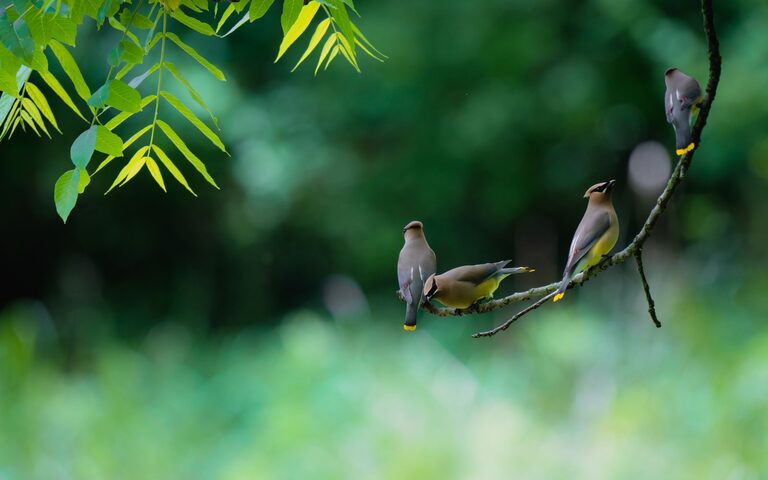
Backyard birdwatching is an easy, enjoyable way to spend more time outdoors and notice the wildlife around you. You do not need expensive equipment, a large yard, or expert knowledge to get started. With a few simple supplies and some patience, you can begin identifying birds from a window, balcony, patio, or garden.
Start With What You Have
The best place to begin is your own backyard. Before buying equipment or adding bird feeders, spend a few quiet minutes observing the space.
Look for areas where birds may already find food, water, shelter, or nesting materials. Trees, shrubs, garden beds, fences, and even small patches of grass can attract different species. Notice where birds land, how they move, and which areas they visit most often.
Choose a comfortable observation spot. A chair near a window or a shaded place in the yard can work well. Try to remain still and quiet, especially during the first few minutes. Birds may return once they become accustomed to your presence.
Choose Basic Birdwatching Equipment
You can start with very little equipment. The following items are useful but not all required:
– Binoculars for viewing birds at a distance
– A field guide or bird identification app
– A notebook or birdwatching journal
– A pencil for recording observations
– A camera or phone for photos
– A bird feeder or birdbath, if suitable for your space
Binoculars are often the most helpful purchase. For general backyard use, binoculars with 7x or 8x magnification are usually comfortable and easy to handle. If possible, try a pair before buying to make sure the image feels steady and clear.
A notebook is just as valuable as an app. Record the date, time, weather, location, and bird details. Writing down what you see helps improve your observation skills and creates a record of seasonal visitors.
Learn the Most Noticeable Features
Many beginners try to identify a bird by color alone. While color is useful, it can look different in bright sunlight, shade, or from a distance. Instead, observe several features together.
Shape and Size
Estimate the bird’s size by comparing it with familiar birds. Is it smaller than a sparrow, about the size of a robin, or larger than a crow? Pay attention to the shape of the body, bill, wings, and tail.
Color and Markings
Look for clear patterns such as stripes, spots, wing bars, eye lines, or patches on the throat and chest. Note whether the bird has one strong color or several contrasting areas.
Behavior
Behavior can be one of the best clues. Does the bird hop along the ground, cling to tree bark, hover near flowers, or search under leaves? Does it travel alone, in pairs, or in a flock?
Sound and Song
Bird calls and songs are often distinctive. You do not need to learn every sound at once. Start by noticing simple differences, such as a short call, a repeated whistle, or a series of notes. When using an identification app, confirm the result by checking the bird’s appearance and behavior as well.
Add Food and Water Carefully
Bird feeders can make birds easier to observe, but they require regular care. Choose a feeder that suits the birds common in your area and place it where you can see it clearly from indoors.
Position feeders near natural cover, such as shrubs or small trees, but not so close that cats or other predators can hide nearby. A location a short distance from a window may also reduce the risk of birds flying into glass at high speed.
Clean feeders regularly and remove old, wet, or spoiled food. Dirty feeders can spread disease among birds. Follow local wildlife guidance for cleaning and feeding practices.
Fresh water can attract birds that do not visit feeders. A shallow birdbath is often enough. Place it in a visible area and change the water frequently. Scrub the basin regularly to remove algae and debris. Adding a few stones or a rough surface can give birds a safer place to stand.
Plant a Bird Friendly Yard
You do not need to redesign your entire yard to support birds. A mix of plants can provide food, shelter, and places to rest.
Consider adding:
– Native trees and shrubs
– Plants that produce berries or seeds
– Flowers that attract insects
– Dense shrubs for cover
– Plants with different heights and textures
Native plants are often a good choice because local birds are adapted to them. Avoid using pesticides whenever possible, since insects are an important food source for many birds. Fallen leaves, seed heads, and small natural areas can also provide useful habitat.
If you have limited space, use containers with flowering plants or berry-producing shrubs. Even a balcony can offer food and shelter for small birds.
Practice Patient Observation
Birdwatching rewards patience. Birds may appear suddenly, disappear quickly, or remain hidden in vegetation. Give yourself time to notice small movements and sounds.
Try watching at different times of day. Early morning is often active because many birds feed and sing then. Late afternoon can also be productive, especially near water or feeding areas.
Keep movements slow. If you need to adjust your binoculars or camera, do so gradually. Avoid chasing birds or approaching nests. Observing from a distance helps reduce stress for wildlife and gives you a better chance to see natural behavior.
Weather and seasons also affect what you see. Spring may bring migrating birds and nesting activity, while fall can bring large movements of birds through many areas. Winter visitors may be easier to spot because trees have fewer leaves.
Use a Simple Identification Process
When you see an unfamiliar bird, avoid guessing immediately. Work through a few questions:
- Where did you see it?
- What was its approximate size?
- What colors and markings stood out?
- What was it doing?
- What did its call or song sound like?
- What time of year was it?
Take a quick photo if you can, but do not worry about getting a perfect image. A blurry photograph may still show useful features such as the bill shape or wing markings.
Compare your notes with a reliable field guide or birding resource. Check several details before recording an identification. It is also perfectly fine to write “unknown sparrow” or “small brown bird” until you learn more.
Keep a Birdwatching Journal
A journal turns casual sightings into a rewarding long-term hobby. For each observation, record the species if known, the date, the location, and any interesting behavior.
You might also track:
– First sightings of the year
– Birds that visit regularly
– Seasonal changes
– Favorite feeding areas
– Different calls and songs
– Plants that attract the most birds
Over time, your notes can reveal patterns. You may discover that certain birds arrive after rain, visit at a particular time, or appear only during one season.
Make Safety and Respect a Priority
Good birdwatching protects both birds and people. Keep a respectful distance from nests and young birds. Do not touch eggs, chicks, or nesting materials. Keep pets away from feeding and nesting areas when possible.
Use window decals, screens, or other bird-safe measures if birds frequently strike your windows. Turn off unnecessary outdoor lights at night, especially during migration seasons, to reduce confusion for nighttime travelers.
Most importantly, enjoy the process. You do not need to identify every bird or maintain a perfect list. The goal is to observe carefully, learn gradually, and develop a greater appreciation for the wildlife close to home.